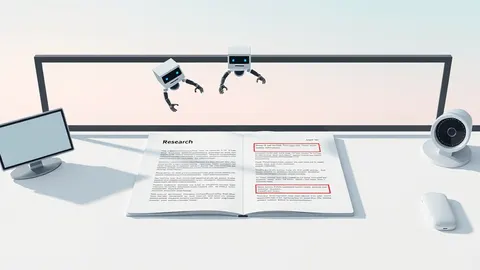
Major Publishers Use AI for Book Covers Without Notifying Authors
An investigation reveals three of the Big Five publishers are using generative AI for cover art and publicity, contradicting their public legal stances on copyright.

Key points
- Three of the five largest publishers are allegedly using AI for cover art and PR materials.
- Authors are reportedly not being notified when their books feature AI-generated imagery.
- This practice occurs while these same publishers sue Meta over alleged copyright infringement.
Three of the five largest publishing houses are reportedly using artificial intelligence to generate book cover art and publicity materials, according to an anonymous-sourced report by Wired. The investigation indicates that these companies are failing to inform authors about the use of generative tools, creating a disconnect between corporate actions and public statements regarding content quality and copyright.
Which publishers are involved in this practice?
Wired spoke with more than two dozen anonymous employees within the publishing industry to gather this information. The sources identified three of the "Big Five" publishers as the entities currently deploying AI tools for creative assets. The report does not name the specific companies involved, relying instead on the accounts of industry insiders who described the workflow changes firsthand.
What specific materials are being generated by AI?
Publishers are using large language models like ChatGPT and Claude to draft publicity copy and press materials, according to the Wired report. Additionally, image generators are being utilized to create cover art for books. These tools are being applied to both the visual presentation of the book and the textual materials used to promote it to retailers and readers, streamlining production processes.
How does this conflict with publisher legal actions?
This internal use of AI coincides with major legal battles over copyright, creating a notable contradiction in industry stance. In May, the Big Five publishers jointly filed a lawsuit against Meta, alleging copyright infringement related to AI training data. Simultaneously, used booksellers report that AI companies are purchasing rare inventory, potentially to destroy the physical copies for data extraction purposes, further straining relations between traditional publishing and the AI sector.
What is the broader financial context for publishers?
Despite concerns about literacy and reading habits, the publishing industry is reporting significant financial growth. The Association of American Publishers notes a 16.1% revenue increase from 2021 through the present. This growth occurs alongside a decline in reading for pleasure, which dropped approximately 3% per year from 2003 to 2023. In 2025, 44% of American men reported not reading a single book.
Why do publishers hesitate to use AI for manuscripts?
The reluctance to accept AI-generated manuscripts stems from legal uncertainties rather than purely quality concerns. Macmillan’s Minotaur imprint scrapped a $2 million deal after a bidding war due to questions about whether the manuscript was AI-generated. According to Deadline, the primary issue is that publishers and studios may be unable to register copyright or secure a clear title chain if AI elements are present in the work.
Background: Generative AI
Generative AI is unique because it synthesizes new content by predicting the next probable element in a sequence, rather than searching for existing matches. This architecture allows it to create text, code, and images that never existed before, shifting security concerns from input validation to output verification and model integrity.
Read the full guide: What Makes Generative AI Unique: The Architecture of Synthetic Output
What to do and how to stay safe: Wired
- Review publishing contracts to understand clauses regarding the use of AI in design and marketing materials.
- Request written confirmation from your publisher about whether AI tools were used for your book's cover or copy.
- Monitor legal developments regarding copyright registration for works containing AI-generated elements.
- Consult with intellectual property counsel if you suspect unauthorized AI use in your published materials.
Step-by-step guide: AI Usage Policy Checklist for Secure Enterprise Deployment
General security guidance from the Sandbox Desk newsroom. It is not confirmed advice from the organisations named in this story.
Frequently asked questions
Are all major publishers using AI for book covers?
According to the Wired report, three of the Big Five publishers are allegedly using AI for cover art and publicity, but not all five are confirmed to be doing so.
Did Wired name the specific publishers involved?
No, the report relied on anonymous sources and did not publicly identify which of the Big Five publishers were using AI tools for these purposes.
Is there a legal right to refuse AI-generated cover art?
The source material does not specify legal rights regarding cover art refusal, but it notes that AI-generated manuscripts face copyright registration hurdles, suggesting legal ambiguity.